%201.svg)

September 29, 2026
For decades, the deal was simple.
Study hard. Get the degree. Build the skills. Industry will help you take it from there.
That promise is quietly breaking, and not because young people stopped holding up their end of it. It's why HEX built WorkSim, a workplace simulation platform designed to give learners authentic work experience before they ever start a job, launching alongside partners including the Atlassian Foundation, Canva Foundation, Automation Anywhere, RMIT University, Stone & Chalk, Adelaide Fringe and Pledge 1%.
The numbers explain the urgency, and they're showing up across multiple regions:
- Australia: Graduate-related job postings sat almost 15% lower in 2025 than the year before, with AI-exposed roles declining faster than the rest of the market (AHRI/Indeed).
- Singapore: The Ministry of Manpower has acknowledged in parliament that AI is reshaping the labour market for entry-level roles, even as the exact scale of the impact remains hard to pin down.
- Thailand: AI-driven change puts as many as 8.7 million jobs at risk (Bangkok Post), and this year's graduating cohort is already the first generation applying for work in a labour market reshaped by generative AI.
- Vietnam: Youth unemployment among those with advanced education reached 15.6% in 2024, more than ten times the 1.3% rate among workers over 25 (ILO) - even as the government moves to make AI and digital competencies compulsory for every university graduate.
- India: Overall graduate employability sits at just 42.6%, meaning fewer than half of graduates currently meet employer expectations, even as AI-related job openings surge (Mercer-Mettl India Graduate Skill Index).
Underneath the regional variation, the same structural shift is playing out everywhere: the roles that once gave graduates their first taste of real work are the ones AI is absorbing fastest.
And yet expectations of graduates haven't moved an inch: still "work ready," still expected to walk in already knowing how work actually works.
So it's worth asking the obvious question. How can we expect graduates to have workplace experience before anyone gives them the chance to gain it?
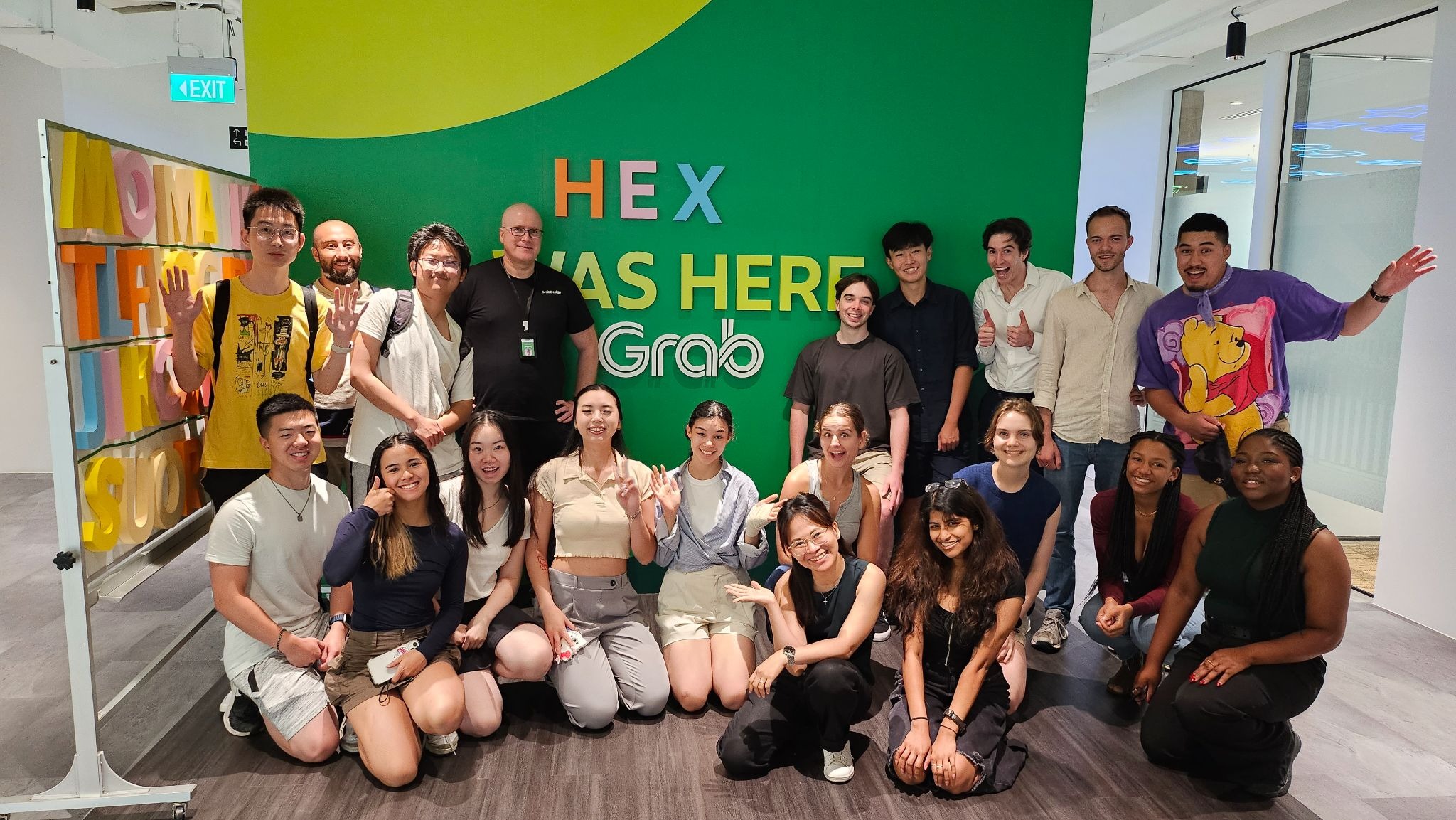
The big question: how can we reinvent the process to give more workplace experience to students
Why the graduate employability gap keeps widening
There's a pattern industry already knows well, just not one it's applied to young people yet.
"When organisations go through internal change, new systems, new ways of working, AI introduced into a team's day-to-day, the leaders who get it right don't impose that change on people. They build it with them,"
That's what creates psychological safety. It's what makes change stick instead of just landing on people. Jeanette Cheah, CEO & Co-Founder of HEX.
Somewhere along the way, that same courtesy stopped being extended to graduates. Roles shift. Entry points disappear. Opportunities get redesigned, all without the people who are supposed to walk into them ever being part of the conversation.
"We've been happy to redesign work around AI without redesigning the promise we made to the people entering it,"
"Industry doesn't need to abandon that promise. It needs to rethink how it keeps it." Jeanette Cheah, CEO & Co-Founder of HEX.
Why work readiness can't be taught from the sidelines
Everyone deserves the chance to experience real work before their first day on the job, not read about it, not simulate a case study of it, actually do it.
Technical skill still matters. But so does everything that doesn't show up on a transcript: working with people you've never met, collaborating across a remote team, communicating like a professional, sitting with ambiguity instead of waiting for instructions, using AI responsibly rather than as a shortcut, and knowing which questions are worth asking.
For a lot of people, that kind of exposure has always depended on landing an internship. And there simply aren't enough of them to go around. Organisations are busier. Teams are leaner. Giving every graduate meaningful, hands-on exposure to real work, before they need it most, has quietly become harder to do at any scale.
"There simply aren't enough internships for everyone anymore," Jeanette Cheah, CEO & Co-Founder of HEX
"That's not a criticism of industry, it's the reality of leaner teams and busier organisations. But it means we need a new way to give people that experience, not just a longer waitlist for the old one."
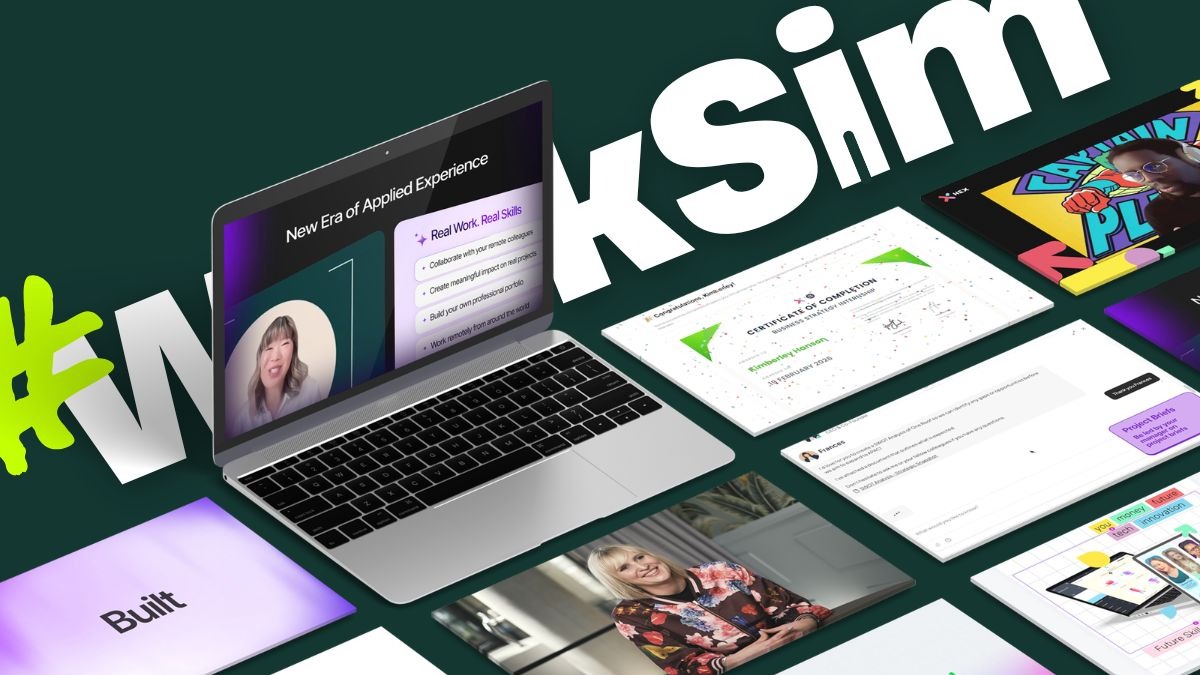
What WorkSim actually is
WorkSim is a workplace simulation platform developed by HEX, giving learners authentic workplace experience before they enter the workforce. Participants work in teams, navigate ambiguity, communicate professionally across remote collaboration, and use AI responsibly to solve real-world challenges, building the kind of confidence and workplace capability that usually only comes from having done the job, not studied it.
It's less useful to think of WorkSim as a platform and more useful to think of it as a bridge, one built between education, industry, government and the young people all of that is meant to serve.
Built with, not for
The future of work shouldn't be something young people simply inherit. It should be something they help build – alongside the industries, universities and institutions shaping it.
That's the same principle behind good change management, applied to an entire generation entering the workforce: don't impose it, build it together. HEX sits close enough to students to hear what genuinely concerns them, and close enough to industry to help make sure the promise it made to young people actually gets kept, even as the shape of that promise changes.
"Young people shouldn't simply inherit the future of work,"
"They should help build it. That's the whole idea behind WorkSim, it's not something we've designed for young people, it's something we've designed to be built with them, alongside the industries and institutions they're about to join." Jeanette Cheah, CEO & Co-Founder of HEX.

A shared effort with future-led mission
None of this happens through one organisation acting alone. WorkSim exists alongside a growing group of partners who share a simple belief: that meaningful workplace experience shouldn't be reserved for the few people who happen to land the internship. It should be accessible at scale.
That group includes the Atlassian Foundation, which has spent years focused on opening up opportunity and shifting systems that leave people out.
“No single organisation can close the gap between education and work alone. WorkSim brings industry, education institutions, and young people together to create practical opportunities at a scale none could achieve independently. That spirit of teamwork is how we begin changing the systems that leave too many talented young people without a way in,” said Jenna Stauffer, Director of Global Philanthropy, Atlassian Foundation.
It includes Automation Anywhere, a global leader in Agentic Process Automation (APA), working at the sharp edge of how AI is transforming the nature of work itself. Through WorkSim, the company is opening up an Automation Strategy & Operations internship, where students work alongside Automation Anywhere's cross-functional teams to analyse real business workflows, identify where automation and AI genuinely add value, and develop recommendations that weigh operational efficiency against technical feasibility, ethics, and real-world constraints like budget and team adoption.
It's a deliberately practical brief: not "learn what automation is," but learn to judge where it belongs, and where a human still should.
“We're committed to increasing access to the AI-enabled future of work for all. While the entry-level roles that once gave graduates their footing are being absorbed by AI, we need to create pathways that allow early career talent to meaningfully build experience and be workforce-ready," said Neeti Mehta Shukla, Co-Founder and Chief Impact Officer of Automation Anywhere.
"We're proud to partner with HEX on WorkSim to deliver real work, real teams, and real accountability at a scale that doesn't depend on who you know or whether you were lucky enough to land the placement. Every young person deserves that chance.”
And it includes a growing network of universities, government agencies and industry partners, including RMIT and Stone and Chalk, who all see the same gap and are choosing to help close it together.
The newest addition to that group is Pledge 1%, the global movement that helps companies commit 1% of their profit, equity, product or employee time to social impact. HEX helps Pledge 1% member companies activate their time pledge through WorkSim, turning employee volunteering hours into structured, real-world contributions to graduate readiness rather than one-off, disconnected activities.
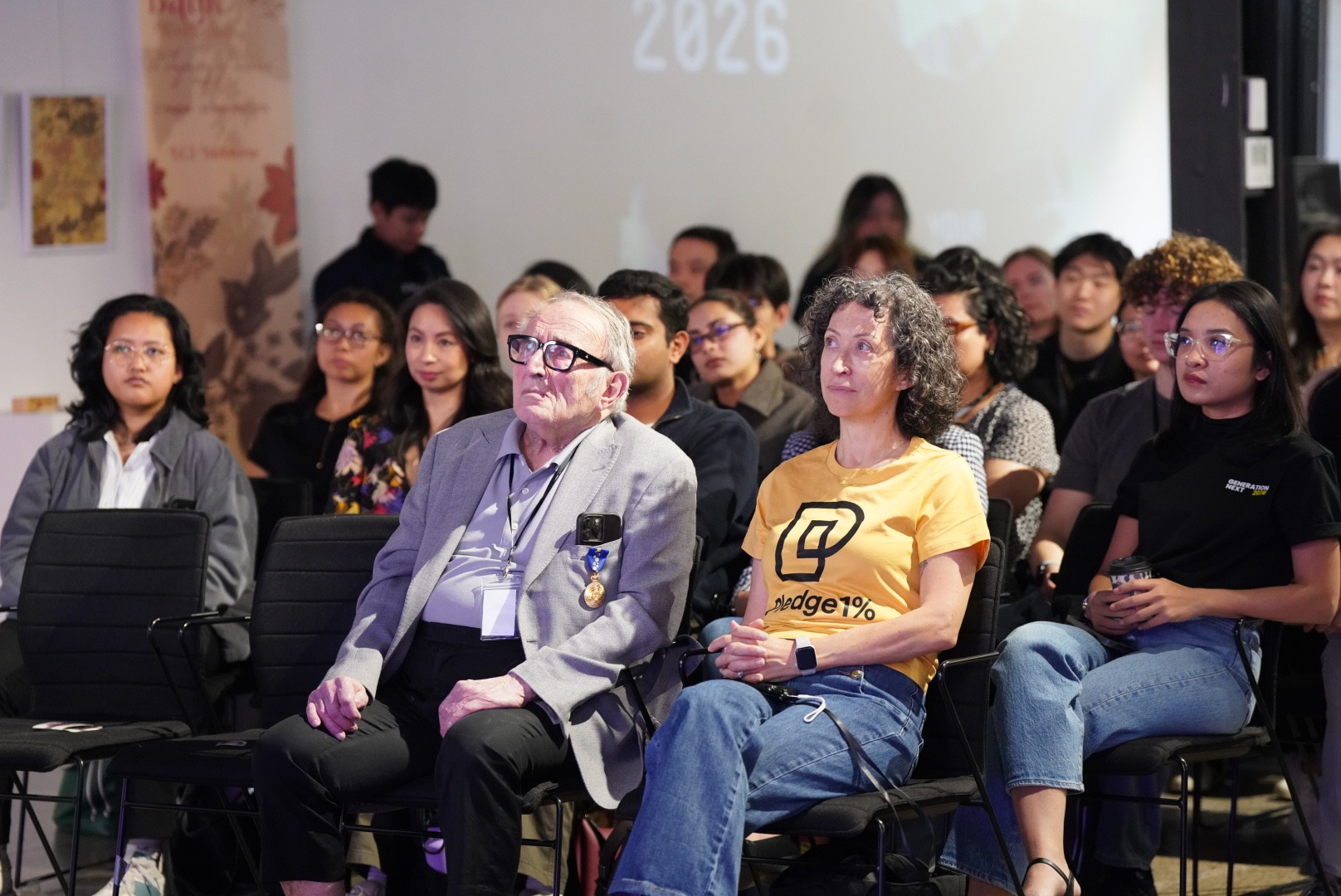
Together, co-create the future of the workplace through a virtual learning experience for students from anywhere, while educational institutions can tap into student progress and results to continue supporting future employability preparation.
“Volunteering time is the most common asset that companies pledge to support social impact - and education and employability are impact areas that many Pledge 1% members care about. WorkSim provides a simple and impactful way to help companies activate their skilled volunteers at scale.” – Pledge 1%
Pledge 1% member companies can use WorkSim to activate their corporate volunteers to help close the graduate experience gap in a practical, simple and meaningful way
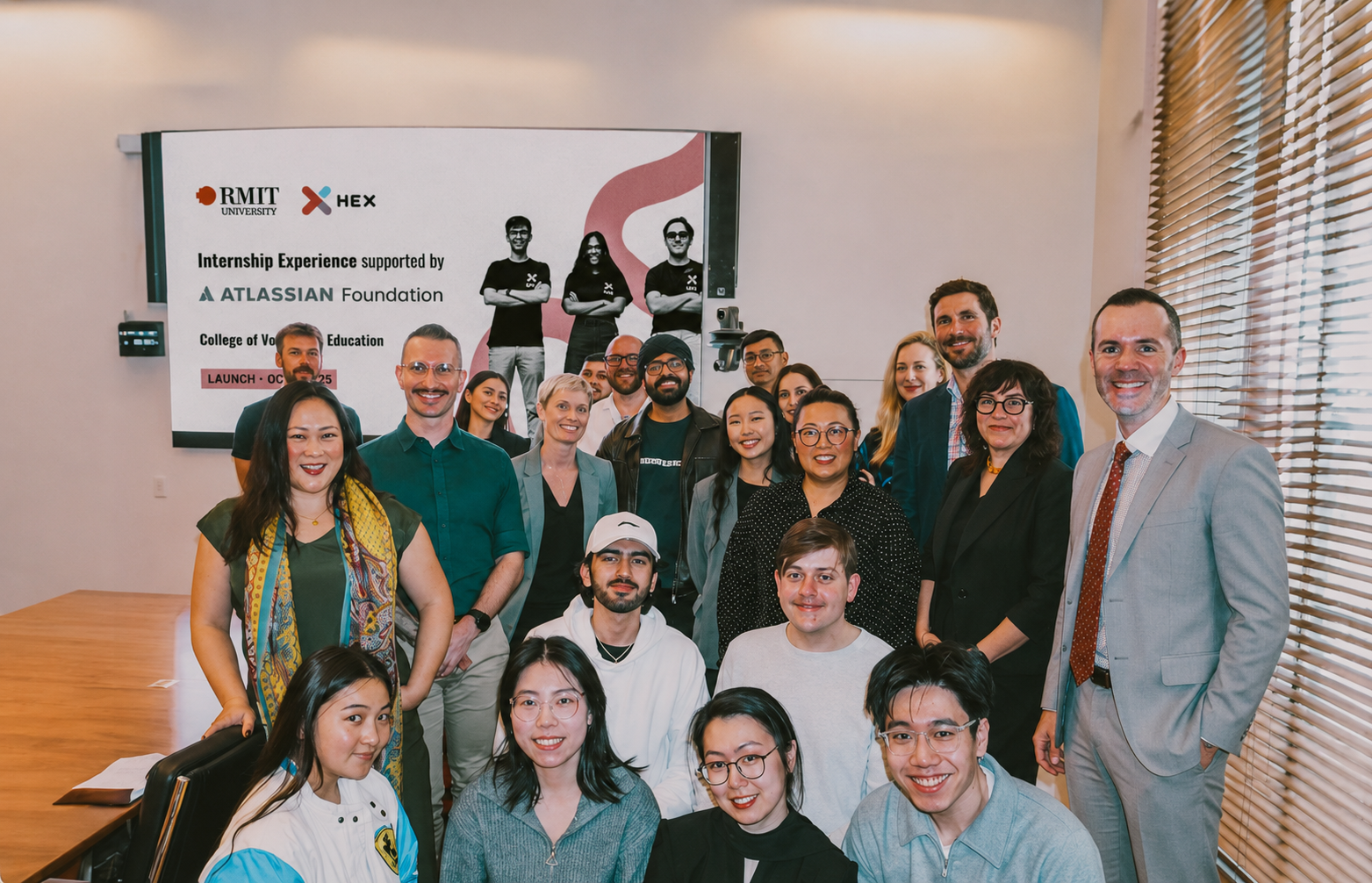
What’s next now with WorkSim
Every year, hundreds of thousands of graduates step into the Australian workforce, and millions more across Asia-Pacific. Most leave with a qualification. Too few leave with the confidence that only comes from having done real work before their career depended on it.
That's what this is really about. Not a new tool. Not another internship program. A shared commitment between education, industry, government and young people themselves to rebuild a promise that's worth keeping.
Young people shouldn't just inherit the future of work.
They should help build it.
.png)